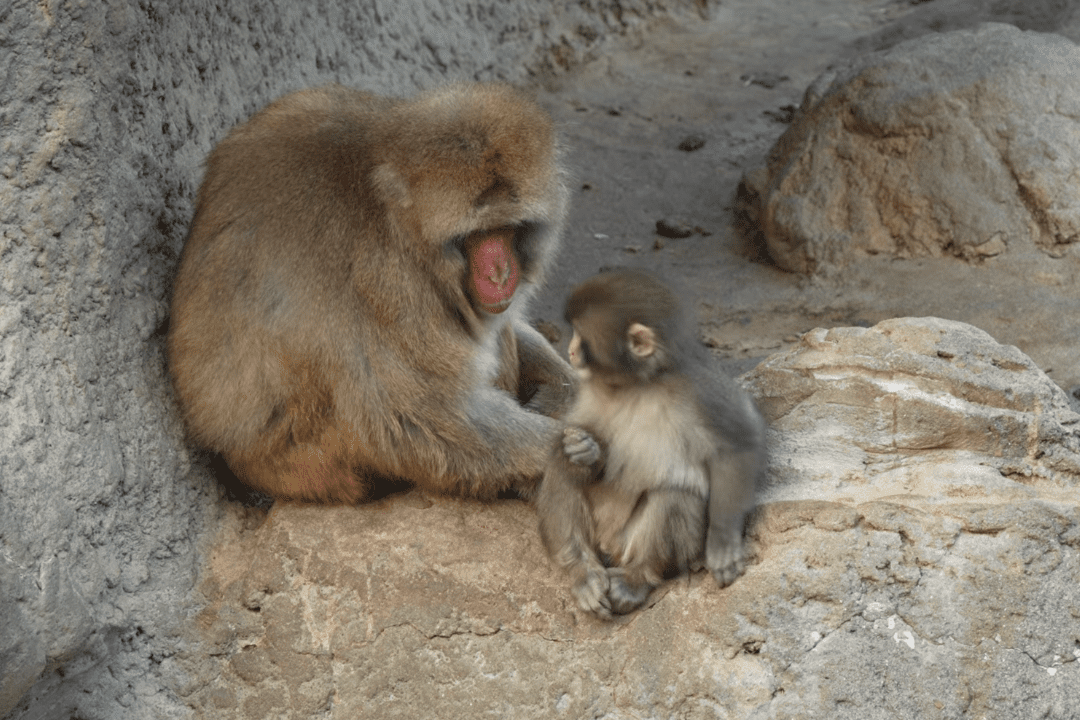
The heartwarming story of Punch, the viral abandoned baby monkey who spent weeks being rejected by his troop before finally being accepted. Read the full story, timeline, and what experts say about monkey social behavior.
If you’ve been following social media lately, you’ve likely come across the heartbreaking yet ultimately heartwarming story of Punch — the tiny, abandoned baby monkey who captured millions of hearts around the world. After weeks of painful rejection, being pushed away, ignored, and left to fend for himself at the edge of his troop, Punch has finally been accepted.
Yes, you read that right. Punch is home.
Here’s the full story of how this little fighter went from abandoned and alone to finally finding his place among his kind.
Who Is Punch? The Viral Baby Monkey Who Stole the World’s Heart
Punch is a young monkey — believed to be just a few weeks old — who was abandoned by his mother shortly after birth. In the wild and in captive troops alike, this is an unfortunately common occurrence. Mothers may reject infants due to stress, illness, inexperience, or other social pressures within the group.
What made Punch’s story go viral was the raw, emotional footage shared across platforms like YouTube, Facebook, and TikTok, showing the tiny infant desperately attempting to cling to other members of his troop — only to be pushed away, bitten, or simply ignored. Viewers around the world watched with tears in their eyes as the little monkey refused to give up, trying again and again to find warmth, comfort, and belonging.
The hashtag #BabyMonkeyPunch began trending almost overnight, with millions of users demanding updates and rooting for Punch’s survival and acceptance.
The Weeks of Rejection: What Was Happening in the Troop?
Understanding why Punch was rejected requires a look into primate social behavior. Monkey troops are complex social structures with strict hierarchies. When an infant loses its mother — the primary social anchor — the baby is left in an extremely vulnerable position.
Why Do Monkey Troops Reject Abandoned Infants?
Several factors can contribute to rejection:
- Lack of maternal bond: Without a mother to vouch for the infant, other troop members may view the baby as an outsider or nuisance.
- Social hierarchy: Higher-ranking females may discourage lower-ranking members from adopting the infant, creating a chain of rejection.
- Stress responses: In tightly structured groups, an unfamiliar or crying infant can disrupt the social order, causing aggression rather than compassion.
- Survival instinct: In wild troops, resources are limited. Caring for another’s infant means risk without direct genetic benefit.
For weeks, Punch experienced all of these forces working against him. Footage showed him being swatted away when he approached dominant females, left behind when the troop moved, and spending cold nights alone — a sight that drew enormous global attention and concern.
The Turning Point: How Did Punch Finally Get Accepted?
The breakthrough came gradually, as it often does in primate communities. Animal behavior experts who monitored Punch’s situation noted a few key developments that led to his acceptance:
1. A Compassionate Female Steps In
A lower-ranking or younger female in the troop — sometimes called an “allomothering” figure in primate research — began showing interest in Punch. Allomother relationships, where females other than the biological mother care for an infant, are well-documented in species like macaques, langurs, and baboons. This female began allowing Punch to cling to her, offering him the physical warmth and security he desperately needed.
2. Persistent Presence
Punch never stopped trying. His repeated, non-aggressive attempts to integrate with the troop gradually normalized his presence. Over time, troop members became desensitized to his proximity and began to tolerate — then accept — him.
3. Time and Social Learning
Primatologists have long noted that social acceptance takes time. As Punch grew slightly stronger and more capable, his vulnerability became less of a disruptive factor and more of an endearing one. The troop’s natural protective instincts began to override their initial indifference.
When the footage of Punch finally being groomed, held, and carried by troop members surfaced online, the internet collectively exhaled. Comment sections flooded with celebrations, crying emojis, and messages of relief from followers who had been emotionally invested in his journey for weeks.
The Internet’s Reaction: Why Did Punch’s Story Go So Viral?
In a world overloaded with content, why did a baby monkey’s story resonate so deeply with millions of people?
Psychologists and social media analysts point to a phenomenon known as “cute aggression” and empathetic projection — humans are neurologically wired to respond to infant faces, whether human or animal. Large eyes, small noses, and vulnerable behavior trigger caregiving instincts in the human brain.
But Punch’s story went beyond cuteness. It was a narrative of resilience, loneliness, and belonging — themes that are universally human. His struggle mirrored experiences many people face: rejection, the desperate need for community, and the will to keep trying despite repeated failure.
In short, Punch became a symbol. And his acceptance felt like a victory for every underdog.
What Experts Say: Lessons From Punch’s Story
Wildlife biologists and primatologists have weighed in on Punch’s journey, highlighting several important takeaways:
Dr. insights on primate social integration remind us that animal communities are not simply cruel or kind in black-and-white terms — they are governed by complex, evolutionary social rules that prioritize group survival. Rejection is not malice; it is biology. And acceptance, when it comes, is earned through persistence and social learning.
Experts also caution viewers against drawing overly romanticized conclusions. While Punch’s acceptance is genuinely wonderful, not all abandoned primate infants survive. Many require human intervention through wildlife sanctuaries and rescue programs that specialize in hand-rearing and eventual reintegration of orphaned primates.
How You Can Help Abandoned Primates Like Punch
Punch’s story shines a light on the plight of abandoned and orphaned primates worldwide. If his story moved you, here are meaningful ways to make a difference:
- Donate to accredited primate sanctuaries that rescue and rehabilitate orphaned monkeys and apes.
- Avoid supporting the primate pet trade — demand drives abandonment and separation of infants from their mothers.
- Spread awareness responsibly — share content that educates rather than exploits animal vulnerability.
- Support wildlife conservation organizations working to protect natural habitats and reduce human-wildlife conflict.
Final Thoughts: Punch’s Story Isn’t Just About a Monkey
At its core, the story of baby monkey Punch is about something deeply universal: the need to belong. His weeks of rejection and his eventual acceptance remind us that belonging is rarely handed to us — sometimes it must be patiently, persistently pursued.
For millions of viewers worldwide, watching Punch finally be welcomed into his troop was more than a viral moment. It was a reminder that even in the animal kingdom, resilience is rewarded, compassion exists, and home is always worth fighting for.
Keep thriving, little Punch. The world is rooting for you. 🐒❤️
Did you follow Punch’s story? Share your reaction in the comments below, and don’t forget to share this article with fellow animal lovers who need to hear this heartwarming update!